Specter DIY Build Guide
A step-by-step guide to building your own Specter hardware wallet from scratch.
Additional Resources:
Filter by Case:
Specter DIY
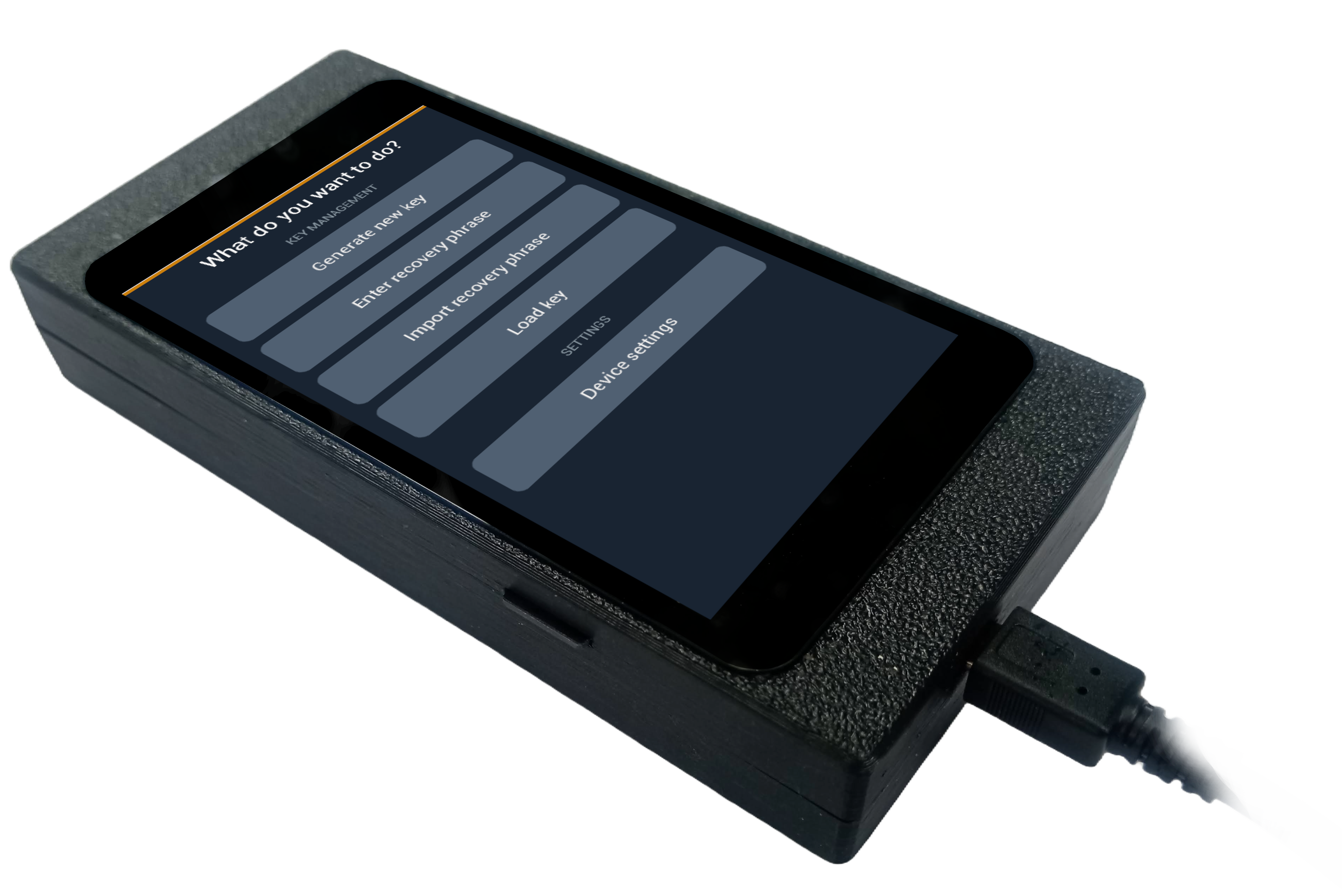
A simple 3D printed case with QR-Code scanner using micro USB.
Case Name: Specter DIY
A simple 3D-printed case designed to snap together.
Necessary Parts
Necessary Tools
- Mini-USB Cable
- Cross-head screwdriver
For Use
- Micro USB Cable
How to Build
Specter Shield
An enhanced version with a secure element and a battery.
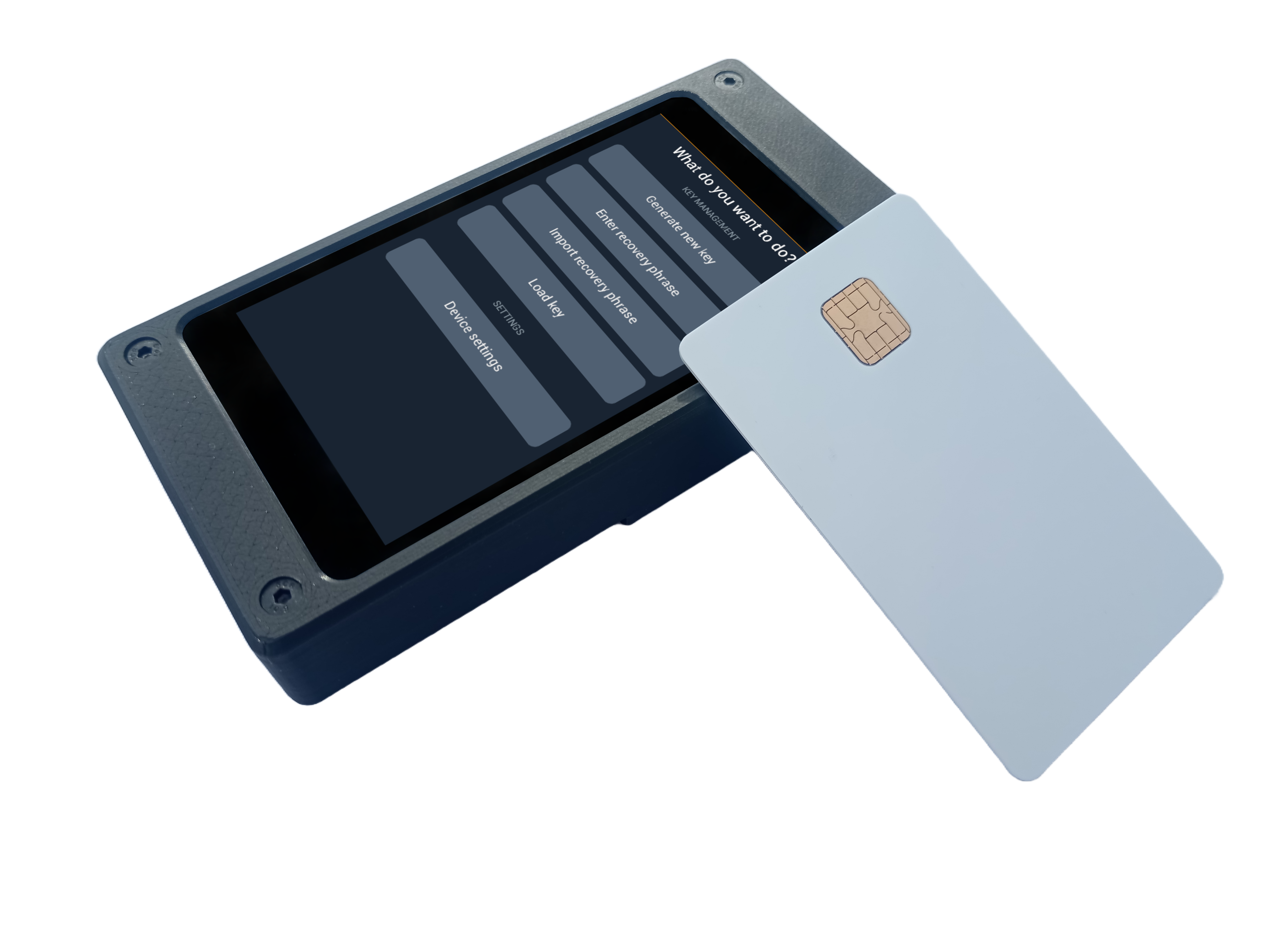
Case Name: Alternative 3D printed case
This is a more print-friendly case for the Specter Shield that provides access to all ports.
Necessary Parts
- Developer Board
- GM65 Scanner
- Specter Shield Extension Board
- Smart Card
- Rechargeable battery
- Specter Shield Case
- 8x M3 flathead screws (4x 6mm, 2x 8mm, 2x 10mm or 8x 10mm)
Necessary Tools
- Mini-USB Cable
- Cross-head screwdriver
For Use
- Micro USB Cable
How to Build
Specter Shield Lite
A streamlined, low-cost version of the Shield.
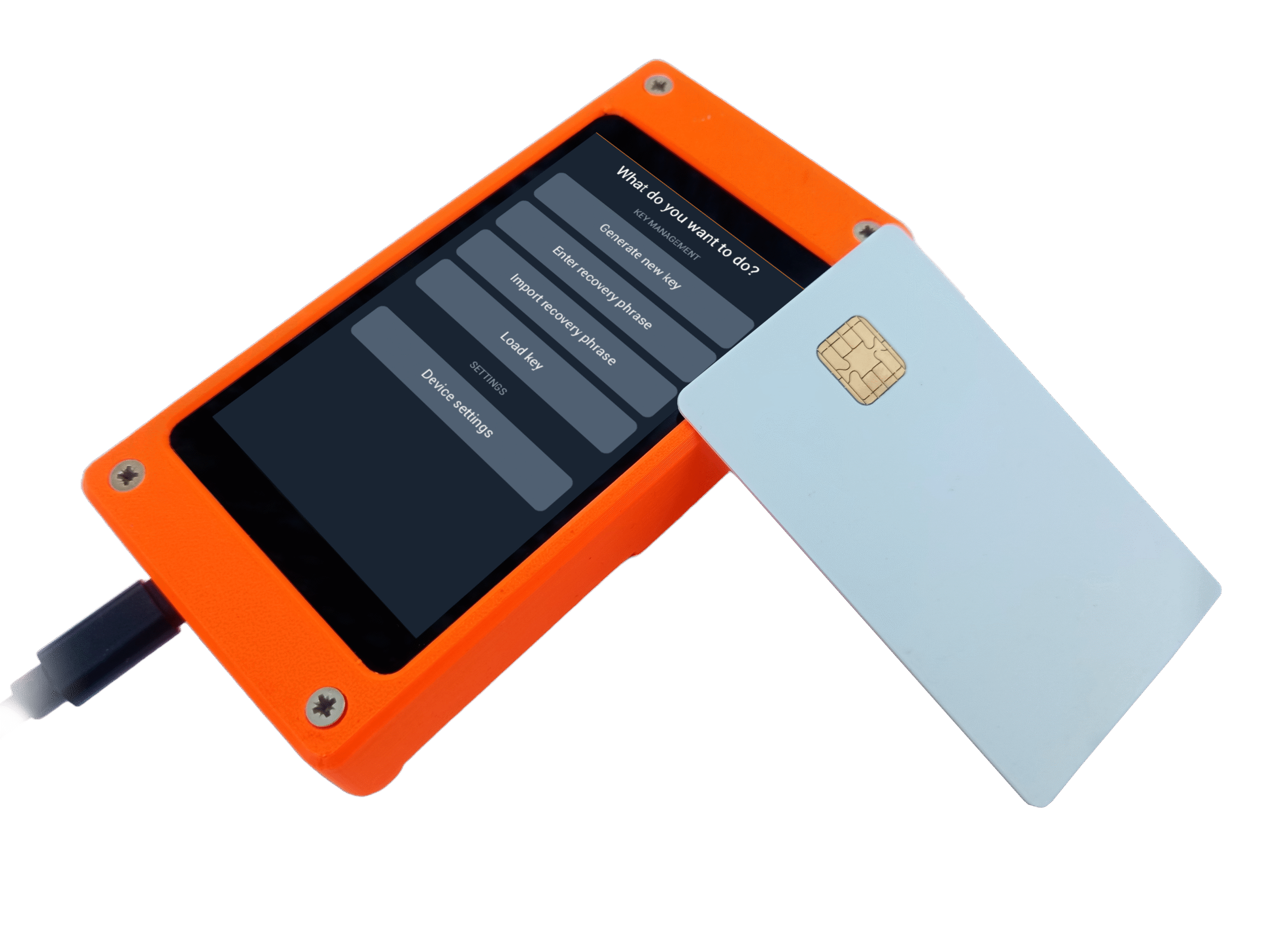
Case Name: Specter Shield Lite Case
A case designed to fit the more compact Shield Lite board.
Necessary Parts
- Developer Board
- GM65 or M3Y Scanner
- Specter Shield Lite Board
- Smart Card
- 3D-printed Case
- 8x M3 countersunk head screws
(2x 16mm, 2x 12mm, 2x 10mm, 2x 6mm or 6x 12mm, 2x 10mm)
Necessary Tools
- Mini-USB Cable
- Cross-head screwdriver
For Use
- Micro USB Cable
How to Build
Specter Shield Lite with Batteries
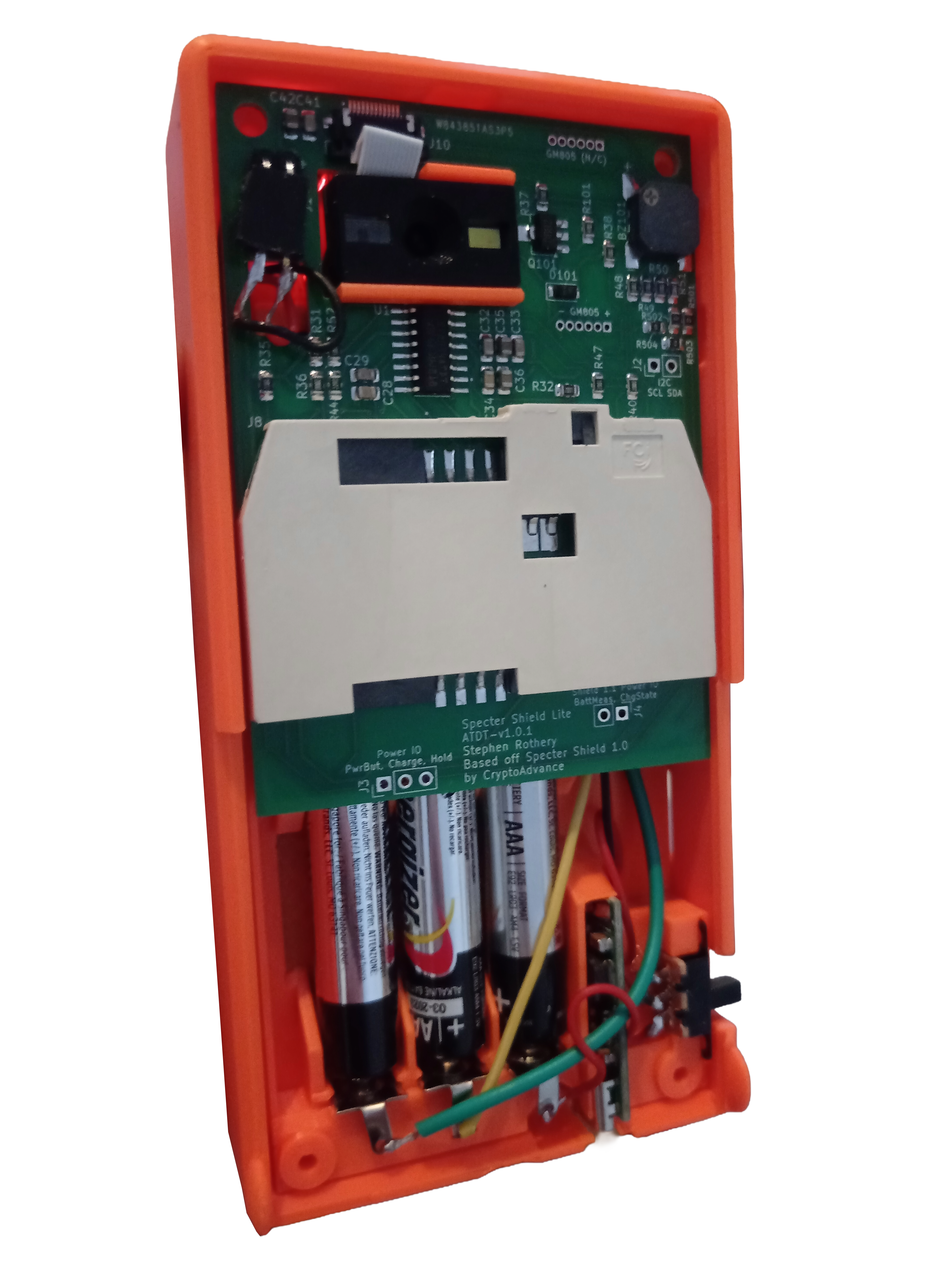
A portable version of the Specter Shield Lite with a built-in AAA batteries and USB-C Port.
Case Name: Specter Shield Lite with Batteries Case
A case designed specifically to accommodate the batteries and USB-C
Necessary Parts
Necessary Tools
- Mini-USB Cable
- Cross-head screwdriver
- Soldering iron
For Use
- Micro USB Cable
How to Build
Filter Legend by Case:
Legend of Parts
A list of all the parts and components with short descriptions and links to a few suppliers.
Developer Board
This is the main Smartphone Developer Board that runs the Specter firmware. The STM32F469I-DISCO is the recommended model.
GM65 Scanner with board
A QR code scanner module used for air-gapped transactions.
GM65 or GM65-S Scanner
A standard GM65 barcode scanner for reading QR codes.
M3Y -W
An OEM barcode scan module for QR code reading.
PINs
These pins are used to connect the Developer Board to the Shield boards and need to be bent to an L-shape for proper fitting.
Specter Shield Board
The main PCB for the Specter Shield, which includes secure element support.
Specter Shield Lite Board
A compact and simplified version of the Specter Shield PCB.
Smart Card
A secure element card used to store cryptographic keys.
Rechargeable battery
A rechargeable battery to make the Specter Shield portable.
USB-C Power Module
A module for providing USB-C power to the Specter Shield Lite with Batteries.
Switch
A switch to turn the device on and off.
Contact Springs
Springs used for battery contacts.
Screws (Specter Shield)
M3 flathead screws 4x 6mm, 2x 8mm, 2x 10mm, - or 8x 10mm
Screws (Specter Shield Lite)
M3 countersunk head Screws 2x 16mm, 2x 12mm, 2x 10mm, 2x 6mm - or 6x 12mm, 2x 10mm
Cases
3D-printed cases to house and protect the Specter hardware wallet components.
Specter DIY:
A simple 3D-printed case designed to snap together.
Print Files:
Buy:
Specter Shield Lite Case:
A case designed to fit the more compact Shield Lite board and would work with Batteries and USB-C as well.
Print Files:
Buy:
Alternative 3D printed case:
A more print-friendly case for the Specter Shield that provides access to all ports.
Print Files:
Buy: